Why Lawful Videography Is Vital for Accurate Court Recordings
The function of legal videography in courtroom settings can not be overemphasized, as it functions as an essential device for preserving the honesty of court documents. By recording both spoken and non-verbal interaction, it enhances the clarity of witness statements and mirrors the nuances of court communications. This thorough documents not only aids in minimizing potential misunderstandings however also supports appellate evaluations, thus strengthening the judicial process. Nonetheless, the ramifications of integrating legal videography right into standard courtroom methods elevate essential questions concerning its broader influence on the lawful system. What might these implications require?
Value of Visual Proof
In the realm of legal proceedings, the significance of aesthetic proof can not be overemphasized. Visual proof functions as an effective device in developing facts, corroborating testimonies, and boosting the total clarity of a situation. This sort of proof, which consists of photos, videos, and diagrams, can offer a substantial context that spoken summaries often do not have, therefore using juries and judges a more clear understanding of the conditions surrounding a case.
Moreover, visual proof aids in the retention of info. Human cognition is inherently visual, and individuals are more probable to keep in mind and comprehend details provided in a visual style. In the courtroom, this can be vital, as compelling aesthetic proof can persuade point of views and enhance the narrative presented by legal reps.
In addition, making use of aesthetic proof can lessen misconceptions and ambiguities that usually develop from verbal exchanges. By giving a direct representation of occasions, visual evidence helps to eliminate subjective analyses and cultivates a more objective evaluation of the truths. The integration of visual evidence into lawful proceedings not just enhances the honesty of the judicial procedure yet also enhances the possibility of achieving a simply end result.
Capturing Non-Verbal Hints
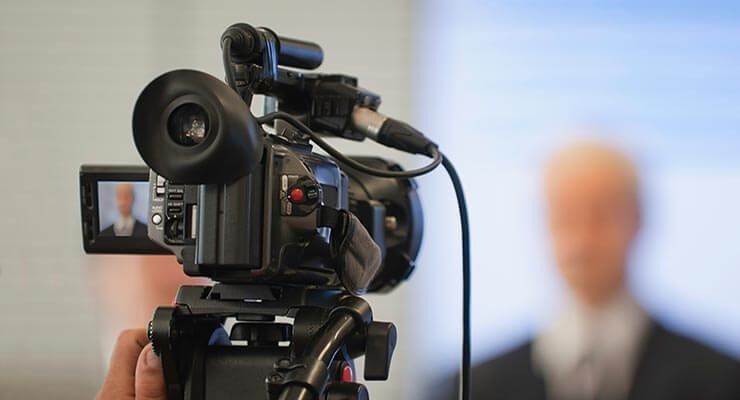
Using sophisticated videography methods can considerably boost the capture of non-verbal cues throughout legal proceedings. Non-verbal communication, consisting of face expressions, body language, and eye call, plays a critical duty in communicating emotions and objectives that might not be explicitly stated in verbal testimony. legal videography. Lawful videography employs high-def electronic cameras and tactical angles to ensure that these subtle signs are recorded with quality and precision
The ability to assess non-verbal behavior can supply valuable context to statements made throughout court sessions. As an example, a witness's reluctance or self-confidence can be interpreted via their posture or gestures, potentially affecting the court's perception of credibility. The use of close-up shots can aid focus on a speaker's expressions, allowing for an extra nuanced understanding of the statement.
Additionally, integrating multiple video camera angles can develop a thorough sight of interactions, highlighting dynamics between events entailed. This multifaceted approach not just boosts the accuracy of the court document but likewise aids in preserving the honesty of the judicial process - legal videography. Inevitably, recording non-verbal signs through legal videography fosters a richer, more full representation of court room procedures
Enhancing Statement Integrity
The reliability of testimony can be dramatically reinforced via the use of high-quality legal videography. Video clip recordings function as an objective medium that captures not just the talked words of witnesses yet additionally the subtleties of their distribution, including tone, pacing, and emotional expressiveness. This multifaceted documentation offers a more clear understanding of the witness's reliability and you can try here objectives, which can be pivotal in legal process.
Moreover, lawful videography minimizes the potential for misinterpretations that might arise from written transcripts alone. When jurors can observe a witness's behavior and body language in combination with their statement, they are much better outfitted to analyze the credibility and reliability of the evidence presented. This aesthetic context can enhance the testimonial narrative, making it much more engaging and reputable.
Additionally, the visibility of a video recording can prevent possible disparities in statement. Witnesses may be extra careful in their statements when they understand they are being tape-recorded, resulting in more exact and genuine accounts. Generally, premium lawful videography boosts the honesty of testimony, making sure that the court has access to a total and honest depiction of the truths as conveyed by the witnesses.
Supporting Appeals and Reviews
Lawful videography plays a crucial role in supporting appeals and testimonials by giving a comprehensive visual record of court process. This visual read review documents records not only the spoken words of witnesses and lawyers yet also the subtleties of body language, intonation, and court room dynamics. Such components can be crucial in comprehending the context of testimonies and debates offered.
In the appellate process, where the focus is on errors of legislation and step-by-step fairness, a video clip document can function as an essential tool for appellate courts. It enables courts to assess the initial test context, guaranteeing that decisions are based upon a complete understanding of the proceedings. The capability to visually evaluate the attitude of witnesses or the interactions in between celebrations can disclose understandings that composed records may ignore.

Furthermore, lawful videography can help in clearing up obscurities in testaments or procedural judgments, therefore reinforcing the basis for an allure. By supplying a reputable, objective account of what taken place in court, legal videography not only supports the stability of the lawful process yet additionally empowers all parties entailed to make enlightened choices concerning their cases.
Improving Courtroom Procedures
Enhancing court room performance, lawful videography enhances processes by supplying immediate access to aesthetic records of proceedings. This innovation enables judges, lawyers, and juries to review essential testament and proof, ensuring that all celebrations have a clear understanding of the situation. By recording the nuances of verbal and non-verbal interaction, videography enhances the document, making it less this link complicated to grasp the context and weight of testaments.
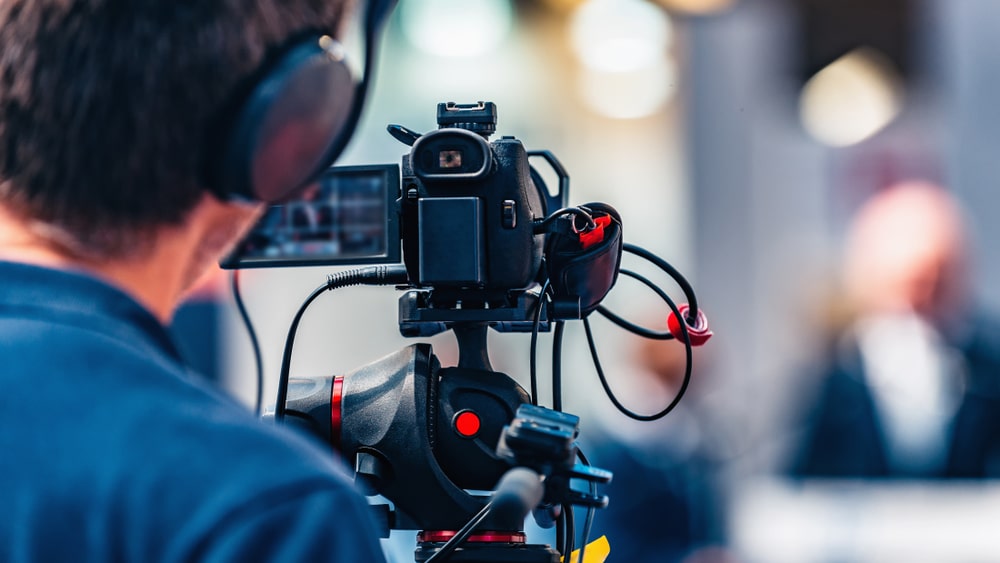
Furthermore, video recordings can assist in remote participation in hearings, enabling greater versatility in organizing and involvement, which is specifically useful in intricate situations including multiple stakeholders.
Verdict
To conclude, lawful videography plays an important function in guaranteeing precise court recordings by supplying vital visual proof that captures both verbal and non-verbal communication. This technique enhances the dependability of testimonies, sustains appellate reviews, and improves court processes. By cultivating a detailed understanding of courtroom characteristics, legal videography ultimately contributes to more equitable judicial end results, strengthening the integrity of the lawful system and helping with informed decision-making.